The first hard frosts of late November show you which vehicles have heat problems. The driver who scrapes the inside of the windshield. The bus where the back rows never warm up. The plow truck that blows lukewarm air until it has been on the road for half an hour.
These complaints get worse in January, when routes start in the dark, mornings are well below freezing and road salt films the glass. A heater that is weak now is often useless then. The good news is that most heat and defrost problems come from a short list of causes, and they are easier to find before the deep cold arrives.
Is the engine making enough heat?
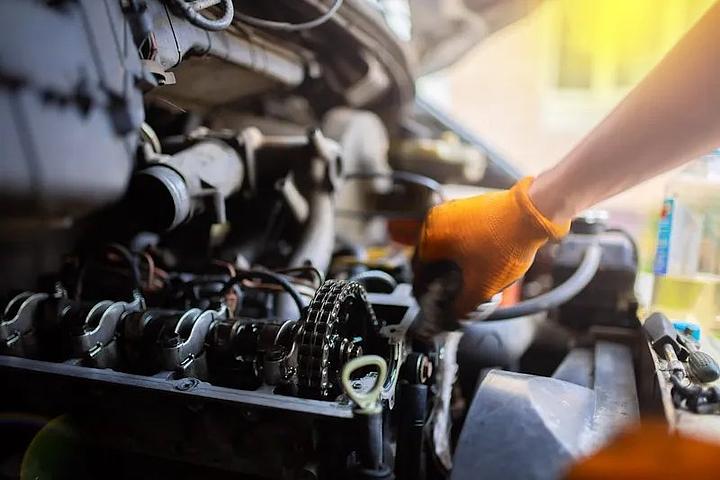
Every cab and bus heater runs on engine coolant. If the coolant is not getting hot, nothing downstream will fix it. Good commercial vehicle climate solutions start with the engine's cooling system, so check that first.
- Coolant level. A low level lets air into the heater circuit, and the heater core is usually the first thing to lose flow. Repeated top-offs mean a leak somewhere, external or internal.
- Air pockets. After any coolant work, air can stay trapped in the heater lines. Gurgling behind the dash or heat that comes and goes are typical signs.
- Thermostat. If the temperature gauge sits low on the highway or takes far longer than usual to come up, the thermostat may be stuck partly open.
- Long idle times. A modern diesel makes little waste heat at idle. In deep cold, a truck or bus can idle for a long time and still blow cool air. That is normal behavior, but it is also why supplemental heaters exist.
Hot engine, cold cab: where the heat gets lost
If the gauge reads normal and the cab is still cold, the problem is between the engine and the vents.
- Heater control valve. Many trucks and buses use air, vacuum or electric actuators to open the coolant valve to the heater. A leaking air line or a failed actuator leaves the valve shut.
- Plugged heater core. If the hose going into the heater core is hot and the one coming out is much cooler, the core is likely restricted with scale or sludge.
- Blend door or actuator. Clicking behind the dash, or heat that will not change when you move the control, points to a door that is stuck or an actuator that has stopped.
- Blower motor. A blower that only works on one speed often has a failed resistor or module. One that squeals or runs slow may be near the end.
Buses: long hose runs and booster pumps
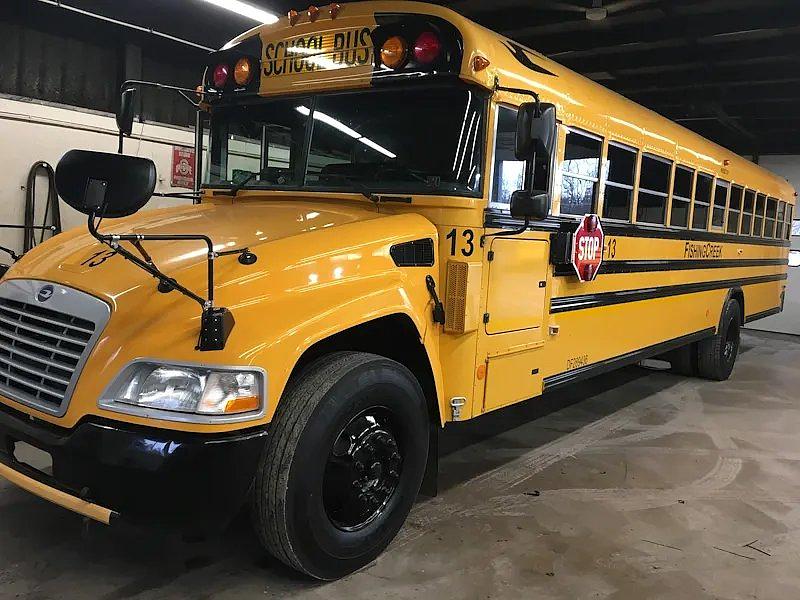
A school bus moves coolant a long way, to floor heaters along the aisle and often a rear heater. Cold rear seats with a warm front usually mean low flow: a closed or partly closed shutoff valve, trapped air at a high point in the line, a kinked hose, or a weak booster pump. Check that all heater shutoff valves were reopened after summer, and listen for the booster pump running when the heat is on. Bus heater hoses also chafe and age where they pass through the floor and frame, so look for seepage at the clamps.
Defroster trouble is a safety problem
A cold cab is uncomfortable. A windshield that will not clear is a hazard, and federal rules (49 CFR 393.79) require commercial motor vehicles to have a working windshield defrosting and defogging system. Watch for these signs:
- Greasy film on the inside of the glass or a sweet smell in the cab. Both point to a leaking heater core. So does a damp floor on the passenger side.
- Fog that returns with the heat on. Moisture is getting in or staying in. Check door and window seals, wet floor mats, and whether the system is stuck on recirculation.
- Weak airflow at the defrost vents while the floor vents blow hard. A mode door or its actuator may not be moving.
- A clogged cabin or fresh-air filter, where the vehicle has one. It cuts airflow to every vent, including defrost.
A heater core leak is not just a defroster problem. It is a coolant leak, and on a diesel, running low on coolant can lead to overheating and engine damage. Fix it, do not bypass it.
A five-minute heat check drivers can do this week
- Check coolant level cold, at the reservoir, and note it in the log.
- Start up and watch how long the temperature gauge takes to reach its normal range compared with last winter.
- Once warm, run the heat on high and feel the floor, dash and defrost vents. On a bus, walk to the back and check every heater.
- Switch the blower through every speed and the controls through every mode.
- Look and smell for coolant at heater hoses, under the dash and on the inside of the windshield.
Write down what you find. "Back heater cold, front fine" or "only works on high" tells a technician where to start, and saves diagnostic time.
Supplemental heaters for cold starts and long idles
Fuel-operated coolant heaters warm the engine and cab before the engine starts and keep them warm without long idling. Less cold-start idling means less engine wear and less soot loading on the diesel particulate filter. If your vehicles already have one, run it now and make sure it lights and heats every time. Our article on Webasto service essentials covers what those heaters need.
When to bring it in
Bring a vehicle in if coolant keeps dropping, if the engine will not reach normal temperature, if you smell coolant in the cab, or if the windshield will not clear. Those can point to a thermostat, a heater core, a head gasket or an EGR cooler, and they are worth sorting out before January rather than during a cold snap.
Immaculate Kinetics is an authorized service center for Webasto heaters and for Trans/Air bus climate systems, and its ASE certified technicians handle the cooling and engine side as part of diesel engine repair. Same-day service and repair is available. The shop on Montour Blvd in Danville is open Monday to Friday, 7:30 AM to 4:30 PM, and you can reach it at (570) 293-1966 or through the service request form.
Why does my diesel truck blow cold air at idle even though nothing seems wrong?
Modern diesels are efficient and make little extra heat at idle, especially in deep cold. If the heat is good once you are driving and the gauge reads normal, the system may be working as designed. If it stays weak on the road, check the thermostat and coolant level.
The front of the bus is warm but the back is cold. What should I check first?
Make sure every heater shutoff valve is fully open, then check coolant level and listen for the booster pump. Trapped air and low flow are the most common causes of cold rear heaters.
Is it safe to keep driving with an oily film on the windshield?
It is not a good idea. The film usually comes from a leaking heater core, which makes the glass hard to clear and means the engine is losing coolant. Have it checked soon.